


What is Invisalign First, and is it the right choice for your child?
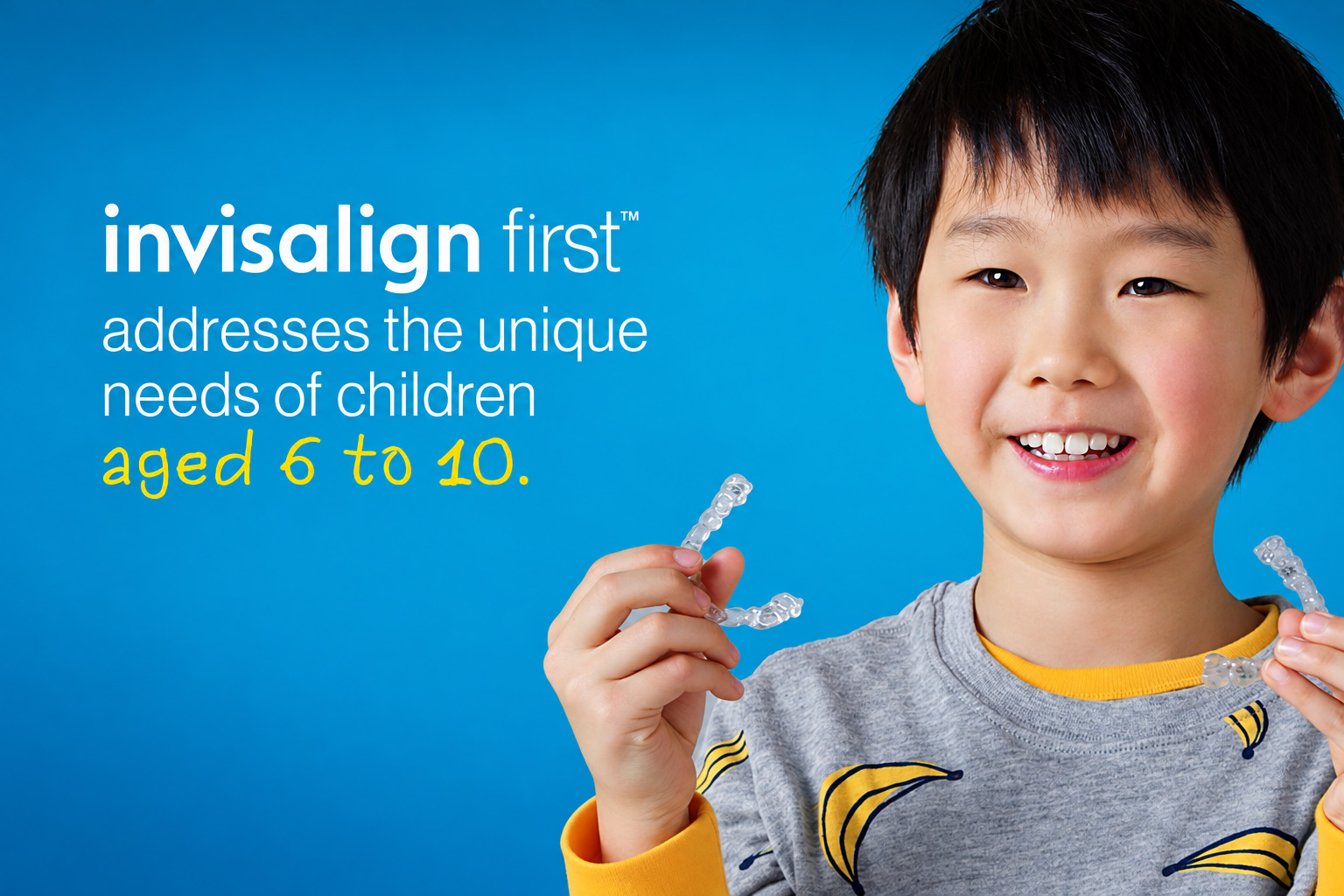
Dr. Heather Desh of HD Orthodontics explains what parents need to know about Invisalign First for kids.
Long Beach, CA – Many parents are surprised to learn that orthodontic treatment can begin well before the teenage years. In fact, the American Association of Orthodontists recommends that every child have their first orthodontic check-up by age 7. For some children, early treatment really can make a difference, and Dr. Desh is excited to offer Invisalign First as a comfortable, kid-friendly way to kick off that journey.
Let’s start by talking about what Invisalign First actually is.
Invisalign First is a clear aligner system made just for children ages 6 to 10 who still have a mix of baby and adult teeth. These aligners are considered a modality of Phase 1 treatment, the earliest stage of orthodontic care, where the goal is to guide jaw growth, create space for incoming permanent teeth and reduce the severity of malocclusion before bigger problems have a chance to develop.
Invisalign First can help address a range of developing problems, including:
- Crowding
- Spacing between teeth
- Narrow dental arches
- Early bite issues, such as overbites, underbites and crossbites
So, what makes Invisalign First different from traditional braces? The Invisalign First aligners are:
- Removable – Just like other Invisalign aligners, your child takes them out to eat, brush and floss. There are no brackets or wires to clean around, which makes oral hygiene much easier during a stage when good habits are still being built.
- Comfortable – The aligners are smooth and custom-made for your child’s mouth, so there are no poking wires or rubbing brackets to worry about.
- Designed for growing smiles – Each aligner includes special features, like eruption tabs that hold space for adult teeth to come in naturally, so treatment works with your child’s development rather than against it.
- Aesthetically pleasing – The aligners are nearly invisible, which many kids appreciate at school and around their friends.
Of course, Invisalign First is not the good match for every child, and there are a few important things parents should keep in mind.
Aligners only work when they are worn. Your child needs to keep them in for 20 to 22 hours every day, taking them out only to eat and brush. They will also need to be responsible about storing the aligners in their case when they are out of the mouth, since aligners that get wrapped up in a napkin or left on a lunch tray have a habit of going missing. Parents play an important supporting role here, gently helping your child stay consistent and on track.
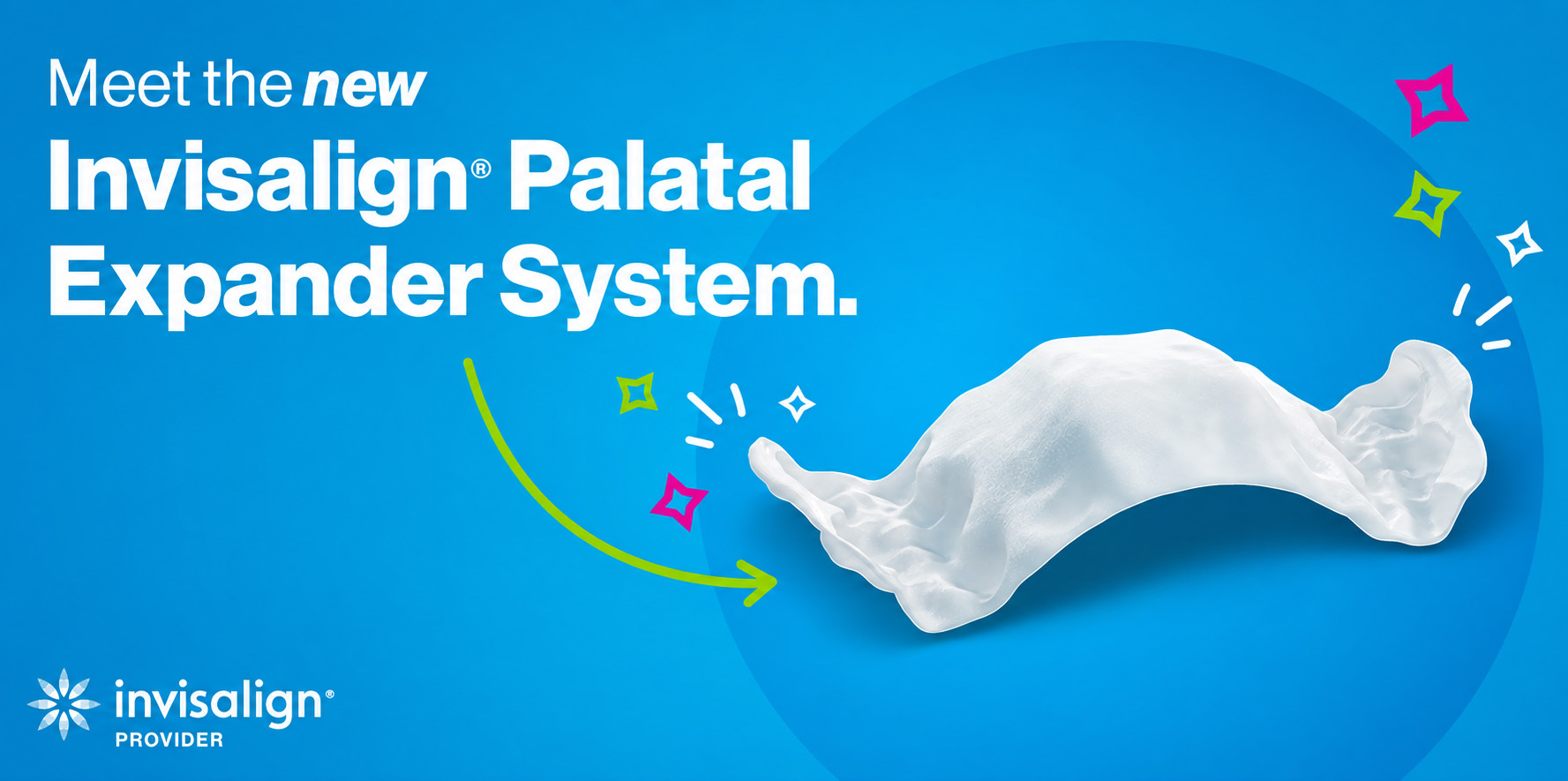
Some children also need a little more than aligners alone. For more significant skeletal or developmental concerns, Dr. Desh may recommend pairing Invisalign First with the Invisalign Palatal Expander, or, in some cases, suggest a different route altogether.
So, is Invisalign First the right pick for your child?
The best way to find out is through a proper consultation with Dr. Desh. She’ll evaluate your child’s skeletal and dental development, talk with you about your child’s personality and lifestyle, and recommend the approach that fits best. Every child is different, so the treatment plan and recommended appliances should reflect that.
Early evaluation and treatment give us the chance to tap into your child’s natural growth and set them up for a healthy, beautiful smile that lasts a lifetime. Call us at HD Orthodontics today to schedule a complimentary consultation, 562-283-6590.